As we become more technologically dependent, we become more influenced by what we see online – particularly when it comes to fashion. With access to popular platforms today’s fashion sphere looks incredibly different than it did ten years ago – transforming the way fashion brands and designers connect with their audience.
Social media is part of dynamic culture of participatory media environments, content communities, user-generated content, and social networking sites. It is likened to the Web 2.0 and allows for consumers and users to, “play an active role in ‘spreading’ content” (Fuchs, Christian. 2014). Social convergence platforms such as Twitter, Pinterest, Snapchat, YouTube and Instagram have become the tool to a networked society and a method for professional opportunities. In particular, several social media platforms are used in the fashion industry, building online presence to interact with consumers and network with other industry specialists. Through the use of Twitter, designers/labels are able to gain mass followings and update audiences and consumers on their newest projects. Fashion labels and brands use Pinterest as a medium for fashionistas and buyers to browse the latest trends. Snapchat and YouTube are largely used for active fashion video content allowing viewers exclusive looks at designer’s events and sponsored fashion vlogs. However, Instagram is possibly the prime asset to the fashion industry (Green Buzz Agency. 2018). The visual representation of social networking sites allows brands to display their products while also selling a lifestyle and professional identity. Not only has the progression of social media completely transformed the fashion industry’s ideology it has also largely impacted the consumer relationship towards interaction and information, as well as the purchasing of products.
Social media platforms have facilitated an entirely new approach to the traditional systems of the fashion industry. Designers are becoming aware and understanding that most of their target audiences are online and want to be acknowledged. As part of a participatory culture, social media allows fashion consumers and media users to, “feel some degree of connection” and to, “believe their contribution matters” (Graham, Timothy Dr. 2019). Kelly Cutrone, owner of People’s Revolution simply explains, “People want to feel connected” which is why several major fashion labels and up and coming designers are embracing social media and learning how to humanise their brands without evading their mystique (Prabhakar, H. 2010). A viable shift in this new social media era in the fashion industry is that empowered new media audiences are now able to influence the fashions designers are producing.
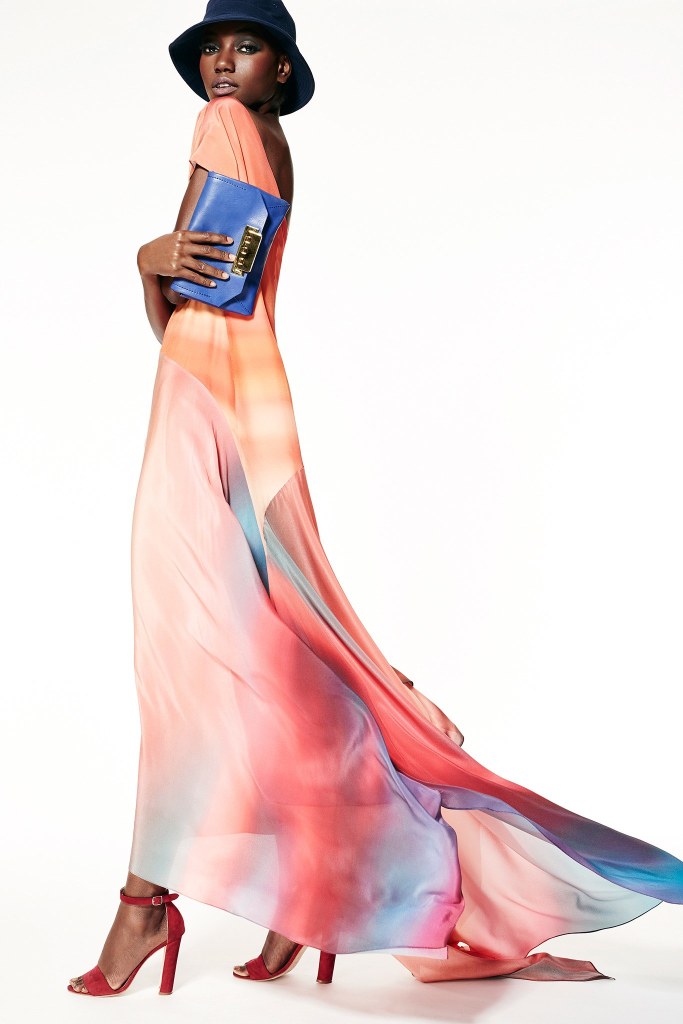
One example of this is from Zac Posen’s Spring Summer Ready to Wear 2015 Collection where he created designs influenced by images he had posted on his Instagram account. The brilliant sunsets he shared intrigued followers and then ensued thousands of comments and suggestion from his audience to create designs inspired by the sunsets hues and colours. In an interview, Posen explains to the New York Times, “through the comments and pictures we got a new perspective about our creations” (Sellors, A. 2014).
The use of social media in the fashion industry is not only beneficial to consumers but also to marketers. With fashion brands/labels establishing their presence online, social media can often be used as a feasible business opportunity. Depicting a more authentic and transparent side to the fashion industry, social media marketing is proving extremely effective in establishing new forms of intimacy and trust with audiences. So much so that brands are beginning to invest in social media teams, employing people specifically to monitor their public social media accounts and to engage with customers and constantly update them (The Digital Age. 2017). As more transparent professional identities of fashion brands are formed online and mass followings continue to grow, a lack of control over what is being said and shared online is a prominent issue. This can sometimes blur the distinctions between producer and consumer, professionals and amateurs, and experts and fans (Grahan, Timothy Dr. 2019). Feeling somewhat troubled by this irrepressible phenomenon is Wesley R. Card the CEO of Jones Apparel Group as he quotes, “… you want to think that you have complete control over what is being said about you or your company, and you want to make sure what you are saying isn’t getting misconstrued. Even though I know we need to embrace it as a corporation, I am a little apprehensive” (Prabhakar, H. 2010).
Social media continues to revolutionise the pace of the retail industry and completely change fashion brands’ business models, relying on various forms of cross-media for sales outlets. These public networking sites will continue to become a more crucial part of fashion brands economic systems as designers continue to understand that “the immediate hit it has on the consumer is becoming more important. Campaigns are going to shift towards social platforms even more” (Roderick, L. 2019). Joshua Green and Henry Jenkins in The Handbook of Media Audiences explains, “the changes the internet has wrought … are shifting how we value audiences, how we understand what audiences do, and how they fit into the networks of capital, both economic and cultural, that constitute the current media landscape” (Green, J., and Jenkins, H. 2011). For many fashion brands, Instagram is the platform used most prevalently for coveted consumer engagement and sales. Leonie Roderick explains, “Instagram is no longer just a ‘gimmick’, used during fashion weeks to create a buzz, but a serious part of their social strategy” (Roderick, L. 2019). The efficiency of social media and the various functionalities it provides allows for brands to have long term strategic plans in this era of immediacy and the fast-paced world of the fashion industry. With the growing demand for immediacy, brands are adopting new fashion show formats to meet consumer expectations. Fashion brands and designers are broadcasting their fashion shows live on social media, marketing the designs and implementing new ways to purchase the products without waiting.
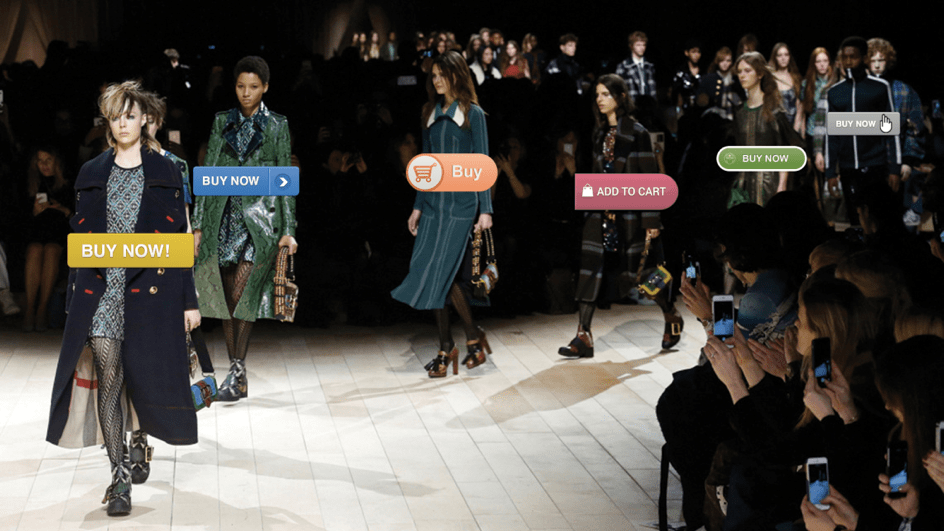
This is called the “See Now Buy Now” scheme which was first introduced in 2015 by Burberry at London fashion week, involving all the designs that were showcased to be readily available to shop instantly through media sites (Digital Me Up. 2018). Following the success of Burberry’s initiative most labels have adopted the same tactic. Initiatives such as this demonstrate how social media platforms are influencing and modifying how the fashion industry identities reach audiences, market and sell their goods.
Social media is a part of a participatory culture, it has created an undeniably new attitude towards the customary systems of production, audience engagement and consumerism within the fashion industry. Social media is driving a revolution of change within the fashion industry, connecting major fashion labels and up and coming designers with audiences and evolving how they do business. The relationship between industry professionals and audiences is becoming a key aspect to success. Designers continue to embrace this new social media era, creating authentic and innovative ways to design, advertise and market fashion.
References:
Digital Me Up. 2018. The Impact of Social Media on The Fashion Industry: The “See Now Buy Now” Model. Accessed March 25, 2019. https://digital-me-up.com/2018/01/06/impact-social-media-fashion-industry-see-now-buy-now-model/
Graham, Timothy Dr. 2019. KCB206 Social Media, Self and Society Lectorial 02 | Social Media + Society.” Lectorial Recording, March 4, 2019. https://echo360.org.au/lesson/0cbf04d6-2aca-45e2-9175-741405b3c3b0/classroom#sortDirection=desc
Grahan, Timothy Dr. 2019. KCB206 Social Media, Self and Society Lectorial 05 | Social Media & The World of Work.” Lectorial Recording, March 25, 2019. https://echo360.org.au/lesson/1fe57ff2-7a08-45fc-bd5a-faffe673ee5b/classroom#sortDirection=desc
Green Buzz Agency. 2018. “Social Media’s Effect on the Fashion Industry | Green Buzz Agency”. Accessed March 25, 2019. https://greenbuzzagency.com/social-media-effect-fashion-industry
Green, J., and Jenkins, H. 2011. “Spreadable Media. How Audiences Create Value and Meaning in a Networked Economy.” In The Handbook of Media Audiences edited by Virginia Nightingale, 109-127. Malden, MA: Wiley-Blackwell.
Fuchs, Christian. 2014. Social Media: A Critical Introduction: Social Media as Participatory Culture. London: SAGE Publications Ltd. http://dx.doi.org/10.4135/9781446270066.n3
Prabhakar, H. 2010. How the Fashion Industry is Embracing Social Media. Mashable. Accessed March 25, 2019. https://mashable.com/2010/02/13/fashion-industry-social-media/#eH3.Jm4m2aqT
Roderick, L. 2019. How fashion brands are taking Instagram from gimmick to strategic – Marketing Week. Accessed March 25, 2019. https://www.marketingweek.com/2016/02/17/how-fashion-brands-are-taking-instagram-from-gimmick-to-strategic/
Sellors, A. 2014. Social Media Influences on Fashion. Social Media Today. Accessed March 25, 2019. https://www.socialmediatoday.com/content/social-media-influences-fashion
The Digital Age. 2017. How social media disrupted the retail clothing industry. Accessed March 25, 2019. http://blogs.unsw.edu.au/thedigitalage/blog/2017/11/how-social-media-disrupted-the-retail-clothing-industry/
Vogue. 2014. ZAC Zac Posen Spring 2015 Ready-to-Wear Fashion Show. Accessed March 25, 2019. https://www.vogue.com/fashion-shows/spring-2015-ready-to-wear/zac-zac-posen/slideshow/collection#2

 Fashion influenced by Social Media